· 4 min
Developer advocacy is a growth system, not an events calendar
Developer advocacy gets budgeted like a marketing line item and measured like a hobby. Here is the operating model that makes it a growth system instead.
Ask ten companies what their developer advocacy team does and you will get ten calendars: conferences sponsored, meetups hosted, talks given, blog posts shipped. Ask what it produced and you get a pause. That pause is not a talent problem. It is an operating model problem.
This post sets out the operating model we use to turn developer advocacy from a list of activities into a growth system you can defend at budget review.
Why it matters
Developer advocacy is usually set up as a set of activities, and activities do not compound. Systems do.
A team that can only show what it did, not what it produced, is exposed at every budget review, however good the work was. When the team goes, the engineers who trusted it lose their way in, and that is harder to rebuild than a budget line.
Activities without a system get cut
Here is how it typically goes. A company hires a developer advocate, sometimes two. They are given a budget and a mandate that sounds like "be where developers are." They do exactly that: they show up, they speak, they answer questions, they write. The work is good. Engineers like them.
Then the budget review arrives. Marketing has pipeline numbers. Product has adoption numbers. Developer advocacy has a slide with logos of conferences and a Discord member count. The team gets cut or, worse, gets kept and ignored.
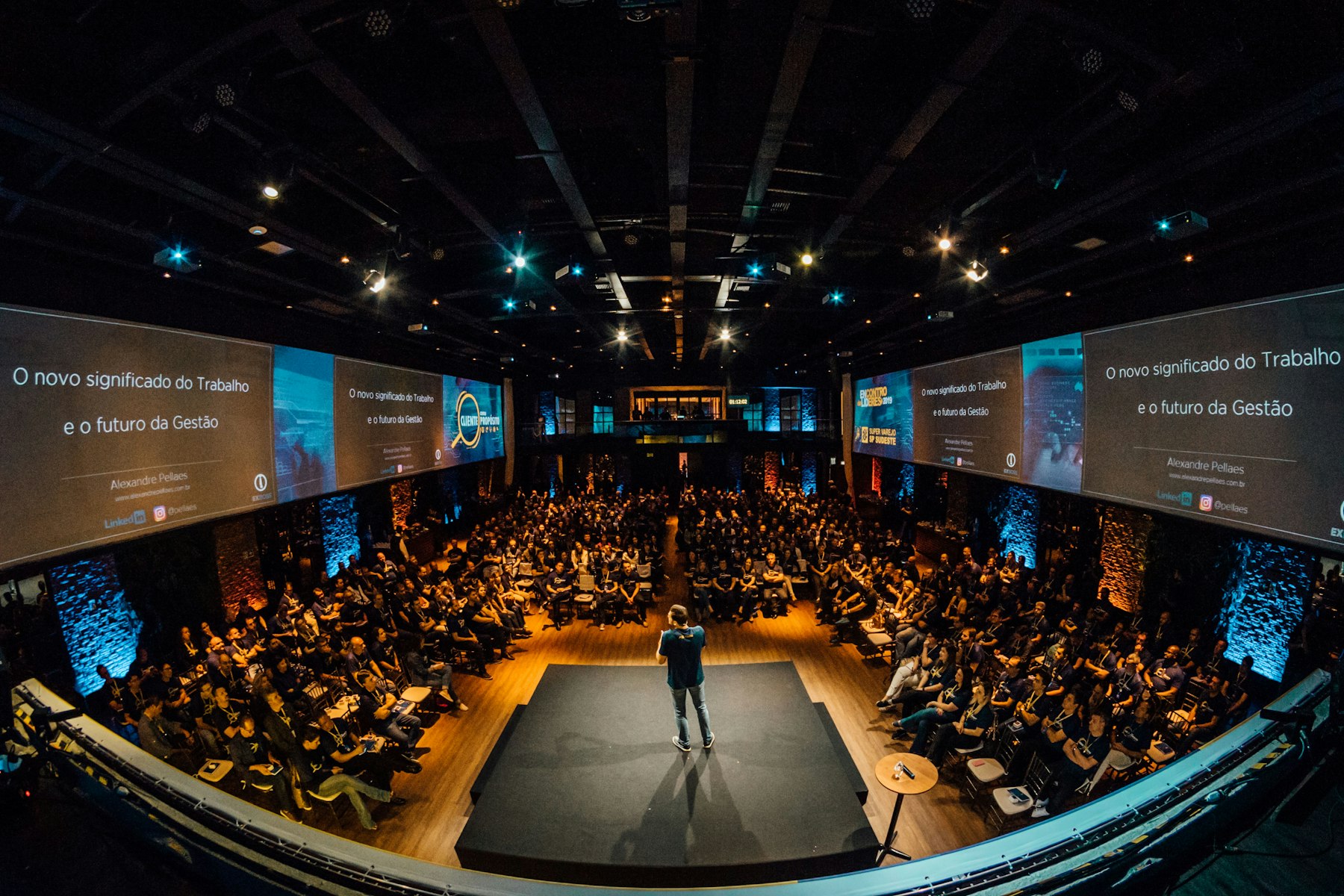
The failure is structural. Each activity was run on its own terms, with its own vague goal, disconnected from the others and from the product's growth model.
A growth system has five connected functions
A growth system has inputs, outputs and feedback loops. When we design developer advocacy for a client, we insist on five connected functions:
- Community produces real questions, real use cases, and a pool of people who will advocate if given a structure.
- Technical marketing turns those use cases into content engineers trust, with working artefacts behind it.
- Education takes the depth people want to learn and packages it into paths that get them to production.
- Go-to-market converts skilled, activated users into revenue, with positioning that survives evaluation and enablement that lets sales talk to engineers.
- Product strategy takes the market signal from all of the above back to the roadmap, so the product gets better in the ways practitioners care about.
Draw the arrows and you have a flywheel. Remove any one function and the arrows break. Content without community is guesswork. Education without go-to-market is a cost centre, and community without product feedback is a support forum.
The measurement plan comes first
The single change that turns activities into a system is agreeing the measurement plan before launch. Not after the first quarter. Before.
That means sitting with the head of marketing, the head of product, and whoever owns the budget, and agreeing on definitions:
- What counts as an active member? (Thirty-day activity, not sign-ups.)
- What counts as activation influenced by community? (A product event within a window after a community touchpoint.)
- What counts as content-assisted pipeline? (An opportunity where the contact consumed technical content before the first sales touch.)
These definitions are boring. They are also the difference between "we ran twelve meetups" and "we influenced fourteen percent of activations this quarter, here is the method." We go through the full model in how to measure a developer community programme.

Run it like an operation
The last piece is the least glamorous. Systems need operations: weekly cadences, review workflows, moderation, leader enablement, dashboards that someone maintains. Most developer advocacy teams are staffed for creativity and under-staffed for operations. The result is programmes that launch well and decay.

We built Effective Networks around this gap. Strategy is a sprint. Operating a programme well is years of consistent work, and that work is where the compounding happens.
The takeaway: start with one connected loop
If your developer advocacy function is a calendar today, you do not need to rebuild it. You need one loop that connects two or three functions and a number everyone agreed to in advance. Start with three questions:
- Which of the five functions do we run, and which are missing?
- What would leadership accept as evidence that this works?
- What is the smallest connected loop we could run for one quarter and measure?
Answer those and you have the beginning of a system. Run it for two quarters and you have something to put in front of the next budget review that is more than a list of events: what changed, what it cost, and what you still cannot attribute.
Want a second opinion on your current setup? Book a strategy call and bring whatever slide you showed at the last budget review.